Tag Archives: Bible

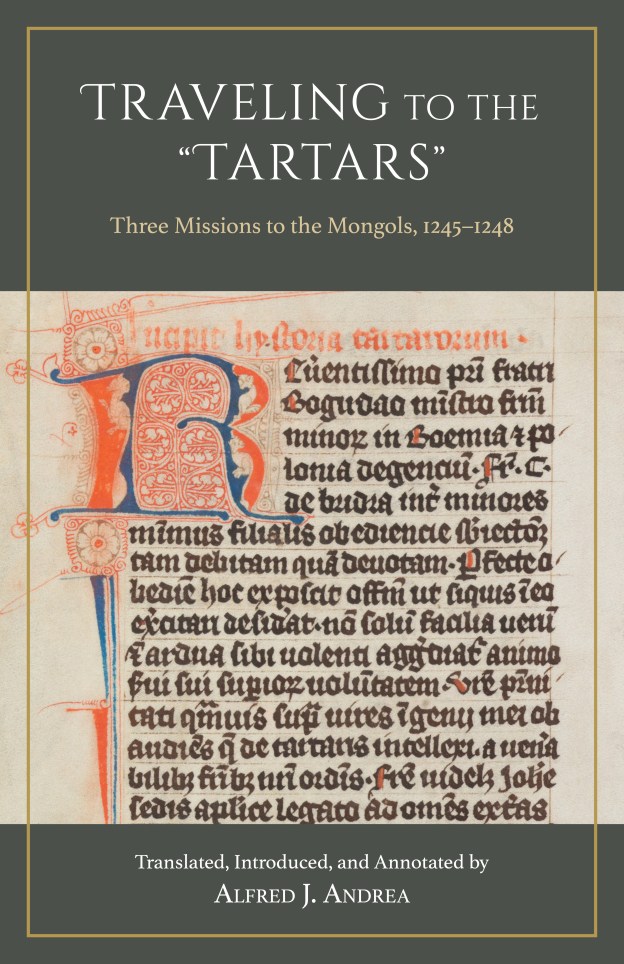
Interview with Alfred J. Andrea Regarding his Forthcoming Book, “Traveling to the ‘Tartars’: Three Missions to the Mongols, 1245-1248”

Over the next several posts, I will be presenting a sustained, multi‑part (and at times) longform interview with my dear friend, medieval historian Dr. Alfred J. Andrea, on the occasion of his forthcoming volume, Traveling to the “Tartars”: Three Missions to the Mongols, 1245–1248 (Indianapolis: Hackett Publishing Company, 2026). This project brings together six major textual witnesses to the earliest papal embassies sent to the Mongol Empire and offers them in new, carefully annotated translations. In the series that follows, Dr. Andrea addresses a range of questions concerning the origins and aims of the book, the historical significance of these thirteenth‑century encounters, the ways in which these friars’ reports have shaped modern understandings of early Mongol–European contact, and the methodological challenges posed by reading medieval ethnographic and diplomatic texts through contemporary lenses. He also reflects on the surprising modern resonances of cross‑cultural diplomacy, misinformation, and long‑distance communication, issues that confronted these envoys in the 1240s and continue to confront us today.

Without delay, let’s get to question 1.

This project brings together six major sources on the earliest papal missions to the Mongols and presents them in new, carefully annotated translations. For readers who may not be familiar with these missions or the significance of these documents, could you begin by explaining what the book is about, how the project came together, and what drew you to undertake it in the first place?

This question would take me many hours and several hundred pages to answer fully, but I will try to limit myself to far fewer. In fact, because I am a nice guy who does not want to exhaust anyone, let’s break this into two discrete replies.

Continue reading
Sexual Renunciation and Early Christian Masculinity

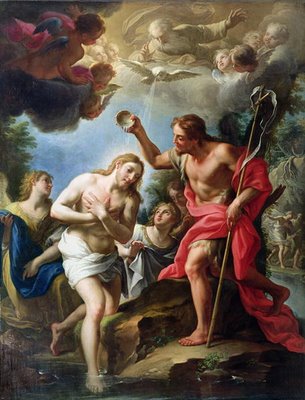
Above Image: Trevisani’s depiction (c. 1722) of the baptism of Jesus by John the Baptist.

*What follows is a brief selection from my dissertation that otherwise looked at warrior manliness and crusading. This is taken from an chapter that considered early Christian views of sexuality and how those views later influenced the way medieval clerics judged Christian warriors on the same topic. Moreover, I’ve had students from Protestant or secular backgrounds (or sometimes even Catholic or Orthodox backgrounds) curious about the Christian roots of the modern practice of celibacy among Catholic priests or Orthodox monks and bishops, and so I typically provide some of this information as a starting point for their further exploration of the issue.

———

In contrast to Roman societal norms of the time (with the exception of some philosophical groups like the Stoics), which in part defined masculinity by sexual aggression and playing the active, rather than passive, role during sexual activity, early Christians rejected such popular markers of masculine identity by pointing to Jesus as having never married and having remained continent throughout his life.[1]  That Jesus was both celibate (unmarried) and abstinent is not surprising in light of the Jewish influenced environment from which he is believed to have emerged. Near the Dead Sea, large communities of abstinent ascetic males are known to have preached repentance to nearby cities in a way similar to their better known contemporary, John the Baptist.[2] While Jesus never preached the abolition of marriage, his followers often interpreted his view of the married life as a hindrance to the highest levels of spiritual commitment, as he called on his followers to abandon their families to follow him.[3]

Continue reading