Tag Archives: Islamic State

Paying for Modern Wars by Looting the Past

The Syrian Government, the Free Syrian Army, ISIS, and others are looting antiquities (e.g. “blood antiquities”) to fund their war efforts in Iraq and Syria. It has become such a standard practice that the sale of illegal antiquities is now being formally taxed by ISIS, and is one of their most reliable revenue streams.

While this is troubling, perhaps it is more troubling, as Prof. Mulder at the University of Texas at Austin points out, that the profiteers are selling their stolen goods to westerners. She writes: Continue reading
The Growing Confidence and Strength of ISIS?

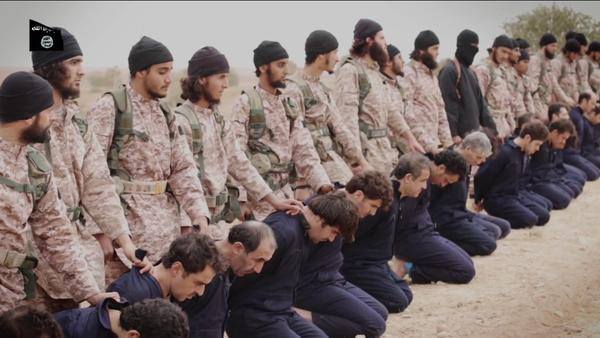
This recent image of ISIS (or “Islamic State”) is troubling for a couple of reasons. It’s not that they are about to mass execute a group of prisoners. They have been doing that all along to journalists, heretics (Shia), Yazidi, and others. What’s new here is that they are not afraid to show their faces and their uniforms are becoming standardized, suggesting a greater degree of both confidence and military professionalization. Continue reading

ISIS and the Medieval Spoils System: The Fate of Captured Women

I don’t know Arabic, but assuming the translations that accompany this widely reported on video of ISIS (or “Islamic State”) soldiers laughing and joking as they wait to receive their share of captured Yazidi slave girls are accurate, then it is deeply disturbing. Around 19 seconds into the clip, one smiling soldier exclaims, “By Allah, man, I am looking for one to get me a girl.” At this, other soldiers in the room laugh and another declares for the camera, “Today is the female sex slave market day, which has been ordained.” The video is available on YouTube here.

Beyond the revulsion one feels for their cavalier attitude toward the enslavement and sexual abuse of children, a crime that fits well with a long list of documented atrocities committed by members of ISIS, I was struck (as a medieval historian) by how well such rhetoric seems to match a twelfth-century Arabic source for the crusading era. Continue reading